Industries We Serve

Freight is not generic. A pallet of frozen product and a bundle of steel studs fail in completely different ways — so we plan them differently.

Food & Beverage

Temperature integrity, appointment discipline, and receiver-specific paperwork. We work with reefer carriers who understand that a rejected load is a total loss, not an inconvenience.

  • Continuous temperature recording
  • Grocery DC appointment scheduling
  • Lumper fee handling and receipts
  • Short-shelf-life expedited runs

Building Products & Construction

Flatbed and step-deck capacity to job sites and yards, with the tarping, securement, and delivery-window realism that construction schedules demand.

  • Flatbed, step deck, conestoga
  • Job-site delivery coordination
  • Tarping and securement standards
  • Partial and oversize loads

Retail & E-commerce

Routing-guide compliance, chargeback avoidance, and peak-season capacity locked in before Q4 makes it expensive.

  • Retail routing guide compliance
  • MABD window management
  • Peak season capacity planning
  • Returns and reverse logistics

Industrial & Manufacturing

Inbound component flows and outbound finished goods, including the expedited runs that keep a production line from going dark.

  • Inbound supplier consolidation
  • Line-down expedited service
  • Machinery and oversize permits
  • Recurring milk-run lanes

Healthcare & Medical Supplies

Careful handling, chain-of-custody documentation, and carriers screened for the reliability this category is not allowed to compromise on.

  • Controlled-temperature options
  • Chain-of-custody paperwork
  • Clinic and hospital delivery rules
  • Priority exception handling

Importers & Distributors

Container pulls, transloads, and deconsolidation for companies bringing product through West Coast ports into national distribution.

  • Port and ramp drayage
  • Ocean-to-domestic transload
  • Per-diem and demurrage tracking
  • Pallet-out distribution
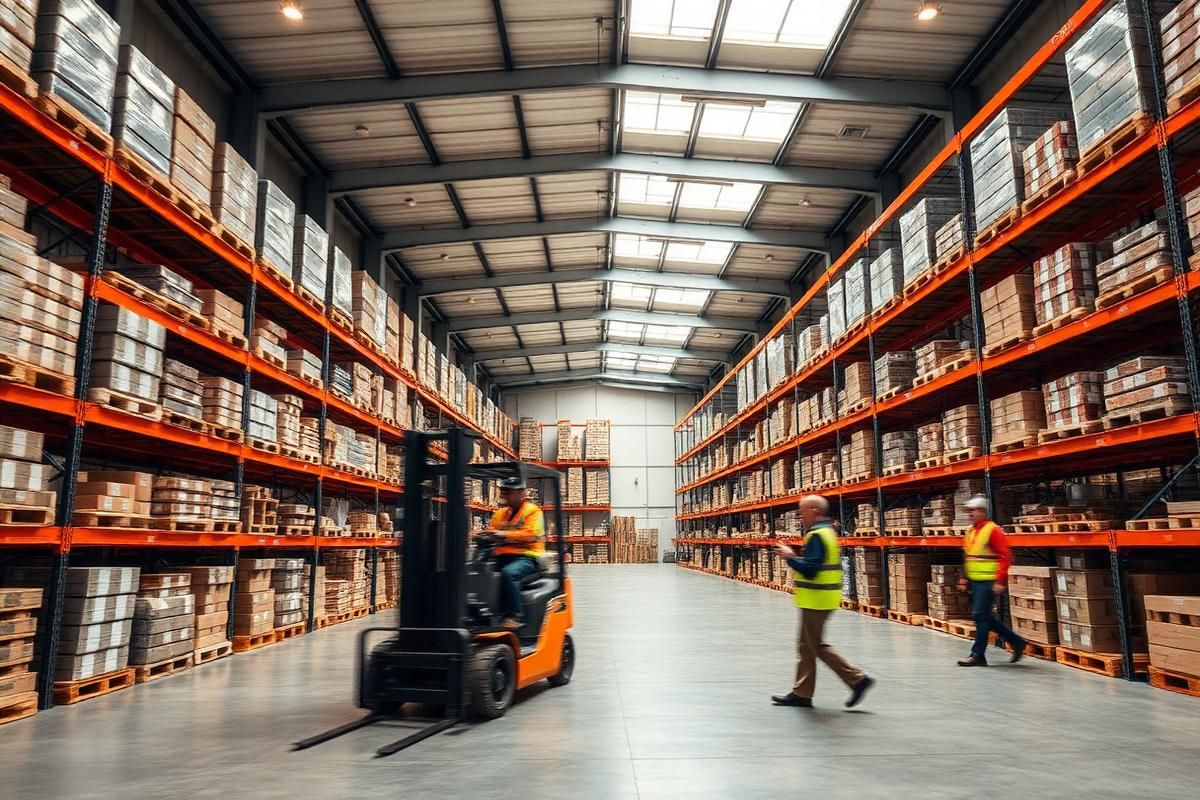
Racked pallets inside a distribution warehouse

A short worked example

A Clackamas County beverage producer was shipping twenty-two LTL pallets a month to five Northern California accounts, each booked separately, each rated at class 70 with no dimension check.

We reviewed ninety days of bills of lading, found consistent re-class charges on three of the five accounts, corrected the NMFC classification, and consolidated two of the destinations into a single weekly partial truckload.

The result over the following quarter: fewer touches per pallet, a measurable drop in damage claims, and freight spend on those lanes reduced by roughly nine percent. No new software, no onboarding project — just someone reading the paperwork carefully.

Does your category have rules we should know about?

Tell us the receiver, the packaging, and the penalty for being late. We will build the plan around that.